
Key Takeaways
- Rest is vital: Continuing to push through pain often leads to stress fractures, prolonging recovery.
- Ice and elevation: These simple at-home remedies are highly effective for reducing immediate inflammation and pain.
- Check your shoes: Worn-out footwear or shoes with improper arch support are leading causes of shin splints, especially in runners.
- Strengthen your calves: Weak muscles force your shins to absorb too much impact; targeted exercises can build resilience.
- Expert care matters: At Choice Podiatry Center in GA, we specialize in minimally invasive and non-invasive treatments to relieve pain, reduce swelling, and ensure shorter recovery times. If shin pain persists, schedule an appointment today to get back on your feet faster.
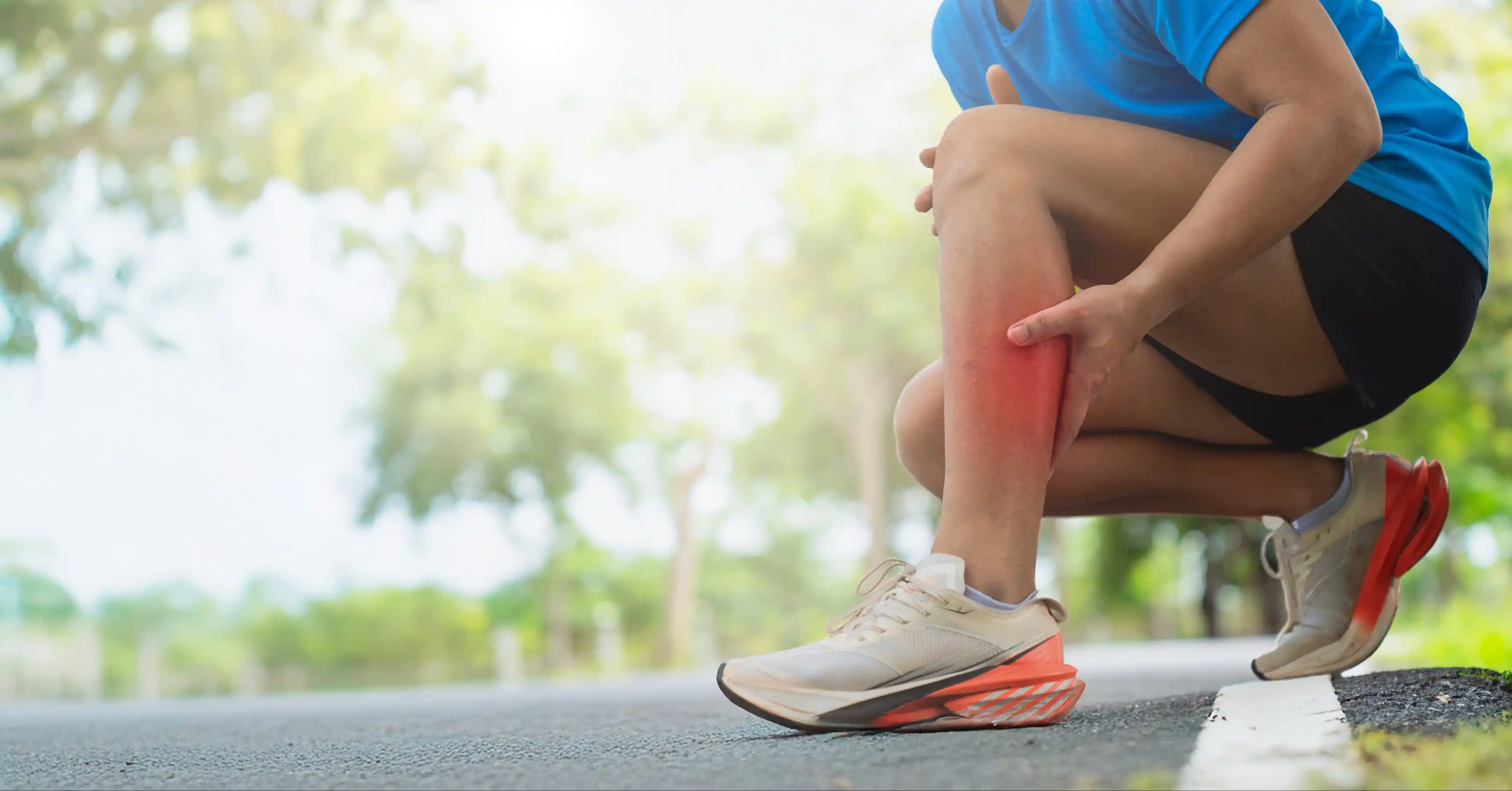
Shin splints are one of the most frustrating injuries for active individuals. Whether you are training for your first 5K or just increased the intensity of your daily walk, that sharp, throbbing pain along the front of your lower leg can bring your progress to a screeching halt.
Medically known as medial tibial stress syndrome, shin splints occur when the muscles, tendons, and bone tissue around the tibia become overworked. While common, they shouldn’t be ignored. Pushing through the pain can lead to more severe complications like stress fractures. The good news is that with the right approach to recovery and prevention, you can heal your legs and return to the activities you love.
Managing Shin Splint Pain During Recovery
The first step in shin splint recovery is arguably the hardest for active people: stopping the activity that caused the pain. You don’t need to become sedentary, but high-impact activities like running or jumping must be paused.
Immediate pain management often follows the RICE method (Rest, Ice, Compression, Elevation). Applying ice packs to the affected area for 15–20 minutes at a time, several times a day, can significantly reduce inflammation. Compression socks or sleeves may also provide support and help minimize swelling.
Over-the-counter pain relievers can help with acute discomfort, but they should not be used as a way to mask pain so you can keep exercising. If you need medication to run, you are not ready to run.
Modifying Your Workouts to Avoid Further Injury
Resting your shins doesn’t mean you have to stop exercising entirely. This is the perfect time to cross-train. Low-impact activities keep your cardiovascular fitness up without subjecting your tibia to repetitive pounding.
Safe vs. Risky Activities During Recovery
| Safe Activities (Low Impact) | Risky Activities (High Impact) |
|---|---|
| Swimming | Running on concrete or asphalt |
| Stationary Cycling | Jumping rope |
| Elliptical Training | High-intensity interval training (HIIT) |
| Water Aerobics | Basketball or Tennis |
| Yoga (gentle flow) | Downhill hiking |
By switching to these lower-impact exercises, you maintain blood flow—which aids healing—without exacerbating the micro-tears in the muscle and bone tissue.
Stretches and Strengthening for Shin Splints
Once the acute pain subsides, rehabilitation should focus on flexibility and strength. Tight calf muscles are a major contributor to shin splints because they place extra stress on the shin bone during movement.
Essential Stretches
- Calf Stretch: Stand facing a wall with one foot forward and one back. Keep your back leg straight and heel on the ground. Lean forward until you feel a stretch in the calf. Hold for 30 seconds.
- Toe Taps: While seated, keep your heels on the floor and tap your toes up and down. This simple movement helps strengthen the muscles on the front of the shin (anterior tibialis).
- Heel Drop: Stand on the edge of a step. Lower your heels below the step level to stretch the Achilles tendon and calves, then rise back up.
Integrating these stretches into your daily routine helps prevent the tightness that often triggers a recurrence of the injury.
Long-Term Strategies for Preventing Shin Splints
The best way to treat shin splints is to never get them in the first place. Once you have recovered, specific lifestyle and training adjustments can help you avoid shin splints in the future.
Gradual Progression
The ‘Too Much, Too Soon’ rule is the number one enemy of shin health. When increasing your mileage or intensity, stick to the 10% rule: do not increase your weekly training volume by more than 10% each week. This gives your bones time to remodel and strengthen in response to the added stress.
Footwear and Surface Matters
Your shoes are your first line of defense against impact. Running shoes typically lose their shock-absorbing ability after 300 to 500 miles. If you can’t remember when you bought your sneakers, it is likely time for a new pair.
Additionally, consider where you exercise. Concrete is the hardest surface for running. If possible, switch to softer surfaces like grass, dirt trails, or a synthetic track to reduce the shock transferred to your legs.
Mechanics and Cadence
Overstriding—landing with your foot too far in front of your hip—acts as a brake with every step, sending massive shockwaves up your shin. Increasing your cadence (taking shorter, quicker steps) can help align your landing under your center of mass, significantly reducing impact forces.
How Podiatrists Support Your Recovery Journey
Sometimes home remedies and rest aren’t enough. If your pain persists despite rest, or if you notice swelling or hot spots on the bone, it is crucial to see a specialist.
Choice Podiatry Center provides comprehensive evaluations to rule out stress fractures and chronic exertional compartment syndrome. We can analyze your gait (how you walk and run) to identify biomechanical issues contributing to the injury. From there, we may recommend:
- Custom Orthotics: To correct overpronation or high arches.
- Physical Therapy: To correct muscle imbalances.
- Advanced Modalities: Non-invasive therapies to speed up tissue healing.
Stop the Pain and Start Moving Again
Shin splints don’t have to be a chronic condition that keeps you on the sidelines. With the right combination of rest, strengthening, and professional guidance, you can return to your active lifestyle stronger than before.
If you are struggling with persistent leg pain, let Choice Podiatry Center help you heal. Schedule an appointment for our shin splint treatments today and get back to the activities you love without the pain.
Frequently Asked Questions
How long does shin splint recovery take?
Recovery time varies depending on the severity of the injury and how strictly you rest. Mild cases may resolve in two to four weeks, while more severe cases or stress fractures can take several months. Ignoring the pain usually leads to a much longer recovery period.
Can I walk for exercise if I have shin splints?
It depends on your pain level. If walking causes pain, you should avoid it for exercise purposes until you are pain-free. If you can walk without discomfort, keep the distance short and the pace moderate, gradually increasing as your legs heal.
Do compression sleeves help with shin splints?
Yes, compression sleeves can help. They increase blood flow to the area, which aids in recovery, and they provide support to the muscles, reducing the vibration and oscillation that occurs during movement. However, they are a tool for management, not a cure.
When should I see a doctor for shin pain?
You should see a podiatrist if the pain persists after several weeks of rest, if the area is hot and swollen, or if the pain is severe enough to wake you up at night. These could be signs of a stress fracture.