Key Takeaways
- Prioritize Rest: Continuing to run or exercise through the pain often worsens the injury and delays recovery.
- Check Your Shoes: Worn-out footwear lacks the necessary shock absorption to protect your legs from impact.
- Modify Your Terrain: Running on concrete or asphalt increases stress on the tibia; switching to softer surfaces can help.
- Strength and Stretch: Tight calf muscles are a leading cause of shin pain, so daily stretching is essential.
- Seek Professional Care:Choice Podiatry Center specializes in foot & ankle sports injury treatment in GA. If home remedies fail, schedule an appointment with Dr. Vivian Iwu to get back on track.
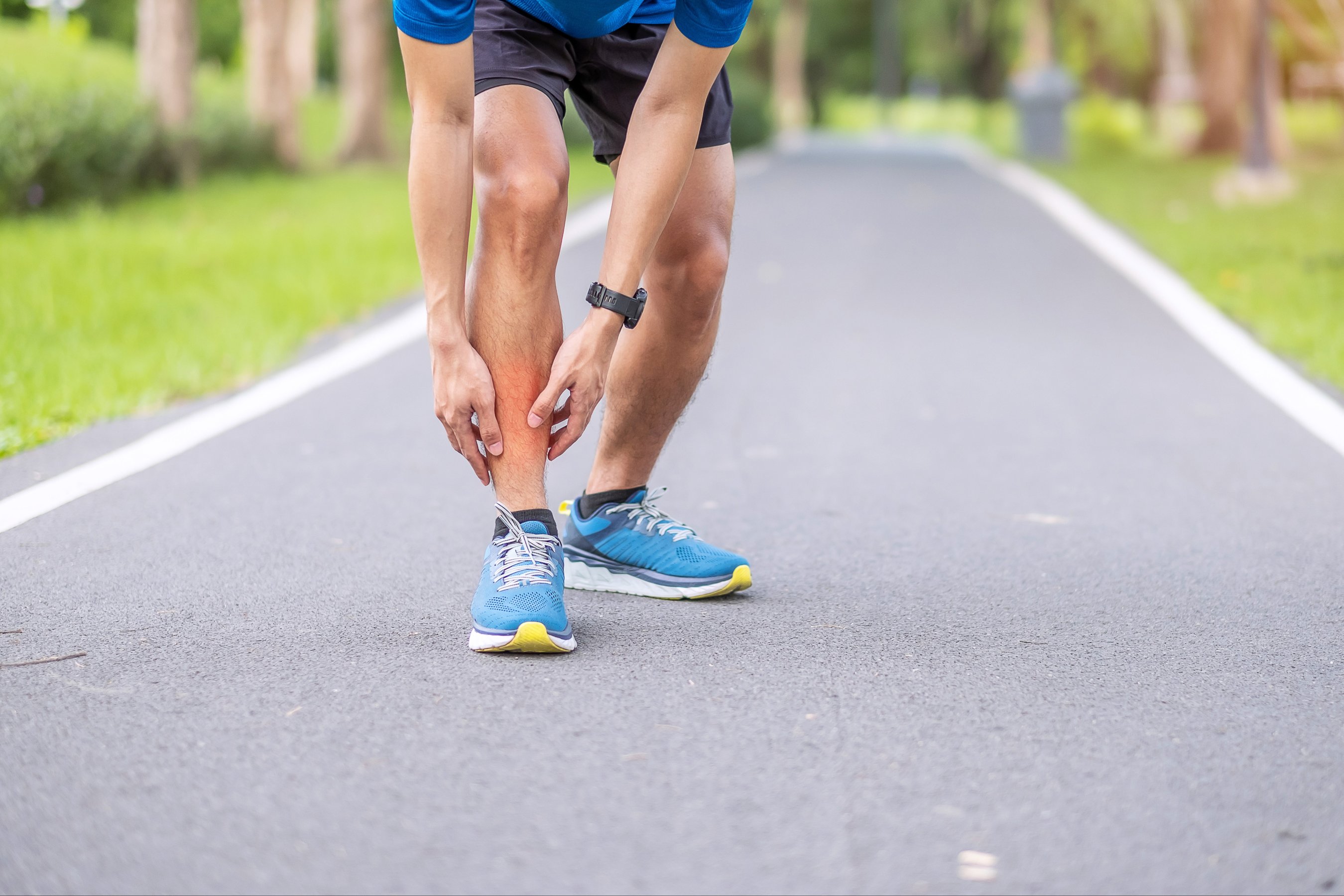
Anyone who has experienced that sharp, throbbing pain along the front of the lower leg knows that shin splints can bring a workout routine to a screeching halt. Medically known as medial tibial stress syndrome, this condition is incredibly common among runners, dancers, and military recruits. It occurs when the muscles, tendons, and bone tissue around the tibia become overworked, leading to inflammation and significant discomfort.
Ignoring the warning signs of shin splints can lead to more severe complications, such as stress fractures. The good news is that most cases can be managed with proper care and adjustments to your routine. By following expert advice and listening to your body, you can reduce inflammation and return to your active lifestyle safely.
Here are five proven tips to help you manage pain and prevent future injuries.
1. Implement the R.I.C.E. Protocol Immediately
The moment you feel that familiar tenderness along your shinbone, it is time to stop. Pushing through the pain is the most common mistake athletes make. The R.I.C.E. method remains the gold standard for treating acute soft tissue injuries:
- Rest: Take a break from high-impact activities like running or jumping. Switch to low-impact exercises like swimming or cycling to maintain fitness without stressing the tibia.
- Ice: Apply ice packs to the affected area for 15-20 minutes at a time, several times a day. This reduces inflammation and numbs the pain.
- Compression: Wearing a compression sleeve or wrapping the lower leg with an elastic bandage can help minimize swelling.
- Elevation: Prop your leg up above heart level when resting to further reduce fluid accumulation and throbbing.
2. Evaluate and Replace Your Footwear
Your shoes are the first line of defense against impact. Over time, the structural integrity of running shoes breaks down, meaning they lose their ability to absorb shock effectively. Once the cushioning is gone, that force travels directly up your leg bones.
Choice Podiatry Center recommends tracking the mileage on your shoes. Most running shoes should be replaced every 300 to 500 miles, depending on your weight and running style. If you are not a runner, inspect the soles for uneven wear or creasing in the midsole. If your shoes are worn out, no amount of stretching will fix the problem until you support your feet properly.
3. Reconsider Your Running Surfaces
Where you run is just as important as how you run. Hard, unforgiving surfaces like concrete sidewalks or asphalt roads return a high amount of energy directly into your shins. Consistently training on these surfaces creates repetitive micro-trauma to the bone.
Whenever possible, seek out softer terrain. Grass, dirt trails, or synthetic tracks offer more 'give,' which significantly lowers the impact load on your lower extremities.
Impact Levels of Common Running Surfaces
| Surface Type | Impact Level | Recommendation |
|---|---|---|
| Concrete (Sidewalks) | Very High | Avoid if prone to injury. The hardest surface available. |
| Asphalt (Roads) | High | Better than concrete, but still harsh on joints over long distances. |
| Synthetic Track | Low to Medium | Excellent for speed work; designed to absorb shock. |
| Grass / Dirt Trails | Low | Ideal for recovery runs, though uneven ground requires ankle stability. |
4. Strengthen and Stretch Your Calves
There is a direct mechanical link between tight calf muscles and shin pain. When your calves are tight, they pull on the Achilles tendon and limit the range of motion in your ankle. This forces the muscles in the front of your leg (the anterior tibialis) to work harder to lift your foot, leading to fatigue and inflammation.
To combat this, incorporate specific stretches into your daily routine, not just before a workout. The 'gastroc stretch' (keeping the back leg straight) and the 'soleus stretch' (bending the back knee) target both major muscles in the calf. Additionally, strengthening the muscles around the shin by doing toe taps or heel walks can make the area more resilient to stress.
5. Consider Custom Orthotics
Sometimes, the root cause of shin splints is biomechanical. If you have flat feet (overpronation) or rigid high arches, your legs may rotate internally or absorb shock inefficiently. Store-bought insoles provide generic cushioning, but they do not correct the underlying structural issues of your specific foot.
Choice Podiatry Center can provide a gait analysis to determine if you need custom orthotics. These medical devices are molded specifically to your feet to correct alignment issues, evenly distribute pressure, and prevent the excessive muscle strain that causes shin splints.
Stop Leg Pain Before It Stops You
Shin splints are painful, but they shouldn't be a permanent roadblock in your fitness journey. While rest and home remedies are effective for mild cases, persistent pain requires professional attention to rule out stress fractures or chronic compartment syndrome. Choice Podiatry Center is dedicated to helping Atlanta residents stay active and pain-free.
If your shin pain persists despite rest, or if you notice swelling or redness, it is time to see a specialist. Schedule an appointment with Choice Podiatry Center for expert foot & ankle sports injuries treatment in GA today.
Frequently Asked Questions
How long does it take for shin splints to heal?
Recovery time varies depending on the severity of the injury and how strictly you adhere to rest. Mild cases may resolve in two to four weeks with proper care. However, severe cases or stress fractures can take several months to heal completely. Returning to high-impact activity too soon often resets the clock on recovery.
Can I walk for exercise if I have shin splints?
Walking is generally safer than running, but it can still aggravate severe shin splints. If walking causes pain, you should stop immediately. It is better to switch to non-weight-bearing exercises, such as swimming or using a stationary bike, until you can walk without discomfort.
When should I see a podiatrist for shin pain?
You should seek professional care if the pain persists after several weeks of rest and icing, if the pain is sharp and localized to a specific point on the bone, or if you experience pain even when you are not walking. These could be signs of a stress fracture, which requires medical intervention.
