
The razor blade or corn pad may remove the hard top briefly. Then the same painful spot returns because a corn is the skin’s response to repeated pressure or friction.
Safe corn and callus treatment has two parts: reduce the thickened skin without creating a wound, then identify why that exact area is overloaded. At Choice Podiatry Center, Choice Medi Spa services sit within a podiatry practice, so cosmetic concerns can be assessed with medical safety in mind.
Key takeaways
- Corns are focused pressure lesions, while calluses are usually broader areas of thickened skin.
- Cutting either one with a razor, scissors, or nail tool can cause bleeding, infection, and a deeper wound.
- Medicated corn removers can damage healthy skin and are especially risky for people with diabetes, poor circulation, or reduced sensation.
- Professional reduction relieves thickness, but lasting improvement depends on footwear, padding, orthotics, or treatment of a structural cause.
- A painful, inflamed, bleeding, or uncertain lesion should be examined rather than treated as “just a corn.”
What is the difference between foot corns and calluses?
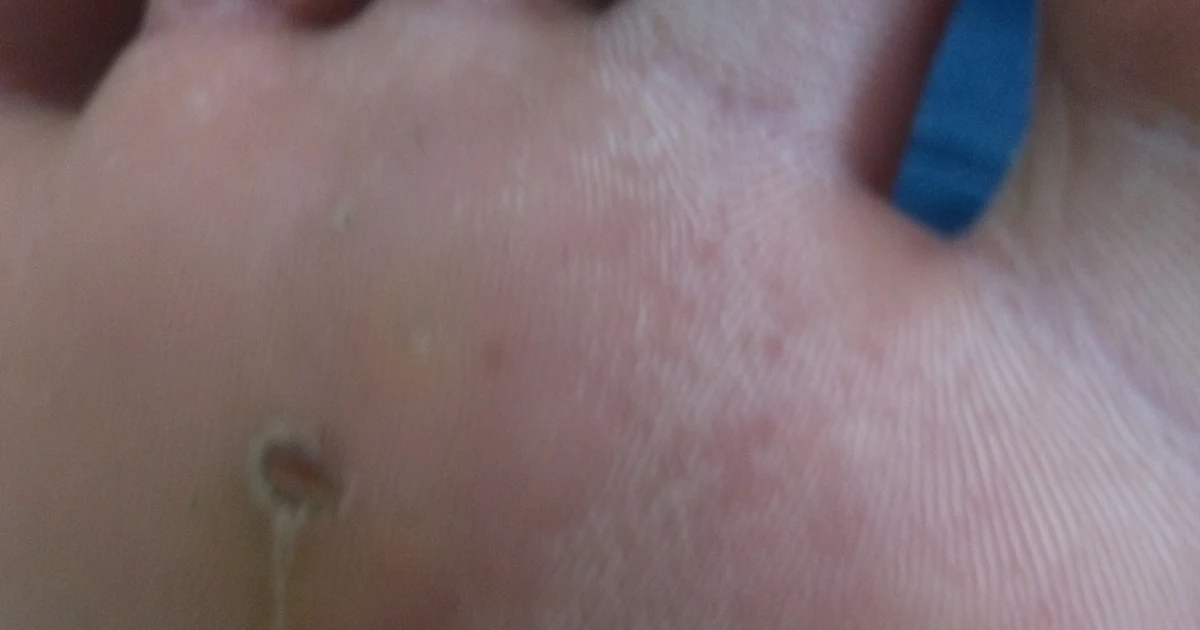
Foot corns and calluses are areas of thickened skin caused by pressure and friction, but their shapes and locations differ.
| Feature | Corn | Callus |
|---|---|---|
| Shape | Small, focused, often with a firm central core | Broader, flatter area of thick skin |
| Common location | Tops or sides of toes, or between toes | Ball, heel, or outer edge of the foot |
| Typical feeling | Sharp, focused pain under direct pressure | Burning, aching, or tenderness over a wider area |
| Main driver | Shoe rubbing, toe deformity, or bone-on-bone pressure | Repeated load from walking, work, sports, or foot mechanics |
A hard corn often forms where a shoe presses a toe joint. A soft corn develops between toes. Plantar lesions form on the sole under pressure.
The American Academy of Dermatology notes that most corns and calluses gradually improve when the source of friction or pressure stops (AAD). That is the central lesson: removal without pressure correction is temporary.
Why does corn feet removal at home backfire?
A corn has no “root” to dig out. Its hard center is compacted keratin. Cutting deeper risks entering healthy tissue.
At-home corn feet removal can backfire in several ways:
- A razor or sharp tool can create a cut that is difficult to see and keep clean.
- Removing too much skin can cause bleeding, pain, and infection.
- A rough pumice technique can tear softened skin.
- An acid corn pad can spread medication beyond the lesion and burn normal skin.
- Covering a lesion without correcting shoe pressure can make the same spot build again.
Do not cut a corn or callus yourself. Higher-risk patients should avoid self-treatment unless a clinician gives specific instructions. NIDDK warns that cutting corns or using over-the-counter removers can damage skin and cause infection in people with diabetes (NIDDK).
Could it be a wart or another skin problem?
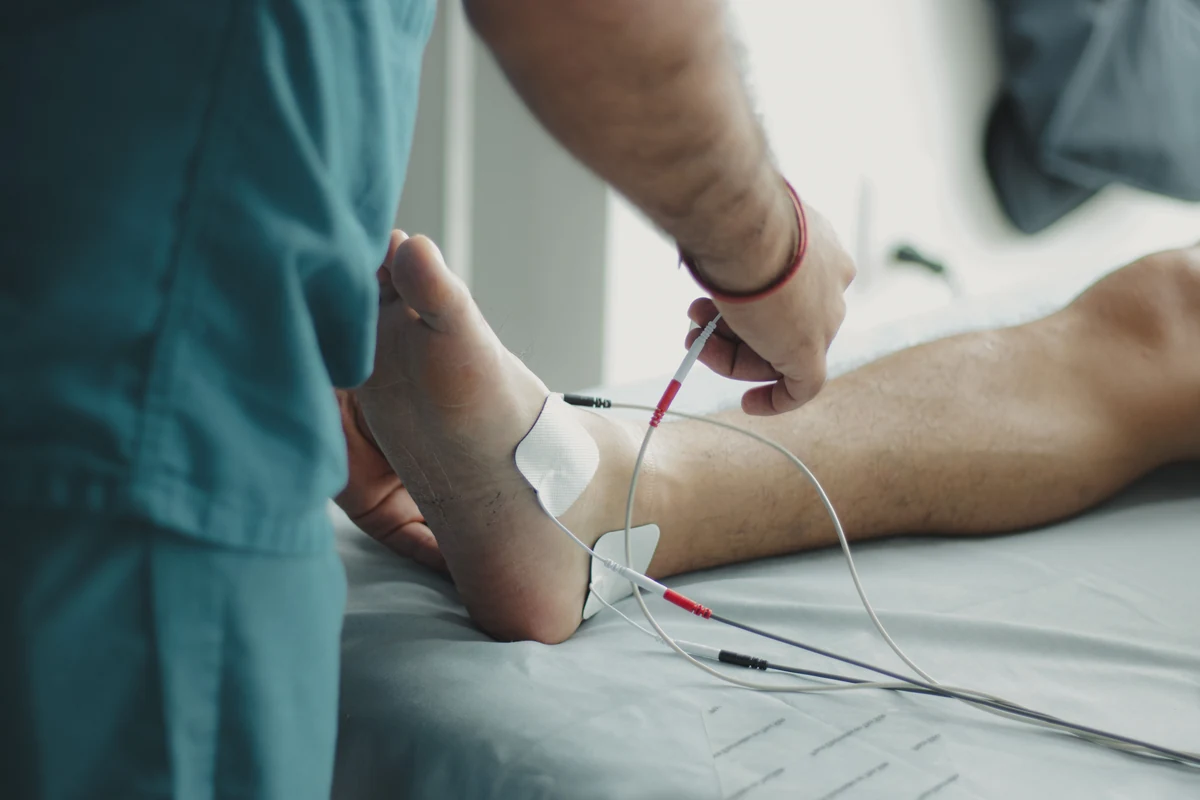
Not every hard spot is a corn. Warts, foreign bodies, cysts, and other lesions can resemble one. A wart may interrupt skin lines and show tiny dark dots, while a callus tends to preserve skin lines. These clues are not perfect.
Seek an examination when the diagnosis is uncertain, the lesion bleeds, changes color, drains, grows quickly, or remains painful despite pressure relief. Redness, warmth, swelling, pus, or red streaking can signal infection and needs prompt care.
What does professional foot corn treatment involve?
Professional foot corn treatment starts by checking the skin, circulation, sensation, footwear, toe position, and location of pressure. If it is safe, a podiatrist can carefully reduce thickened dead skin with sterile instruments. This is different from bathroom cutting because the clinician can judge tissue depth, protect viable skin, and identify complications.
A pressure-control plan may include:
- A wider or deeper toe-box shoe
- Donut padding, sleeves, or spacers selected for the location
- Moisturizers containing urea or another keratolytic when appropriate
- Activity or gait changes that reduce repeated loading
- Custom orthotics to redistribute pressure
- Evaluation of hammertoes, bunions, or another deformity driving the lesion
The AAD recommends gentle soaking and limited pumice use only for people who can safely perform self-care, along with properly fitting shoes and daily moisturizer (AAD). Stop if skin becomes tender, pink, raw, or broken.
Why does corn and callus treatment need pressure correction?
Pressure decides whether the skin has a reason to rebuild. A corn on top of a hammertoe may return until the shoe stops rubbing that joint. A callus under the second metatarsal may recur until weight is distributed more evenly. A soft corn between toes may need a spacer or another strategy that reduces contact without trapping moisture.
A thick pad placed directly under a painful plantar lesion may increase shoe pressure. Padding should offload the spot, not simply cover it.
When is corn surgery considered?
Corn surgery is not the first treatment. It may be discussed when a structural deformity creates persistent, painful pressure and appropriate shoes, padding, orthotics, and professional care have not provided enough relief. The procedure should target the underlying bone or toe alignment, not merely remove skin.
The choice depends on the deformity, health, activity, and recovery goals. Many patients do not need surgery.
Special caution for diabetes and poor circulation
A small self-inflicted cut can become a major problem when sensation is reduced or healing is impaired. The American Diabetes Association’s 2026 Standards of Care advise daily foot checks and avoiding self-care of calluses. People with loss of protective sensation, peripheral artery disease, or deformity may need specialist surveillance and pressure-relieving footwear (ADA Standards of Care).
Use diabetic foot care rather than a salon or home blade when diabetes, neuropathy, circulation problems, or a previous ulcer is part of the picture.
Stop the remove-and-return cycle
If the same corn or callus keeps coming back, the pressure pattern is still there. Choice Podiatry Center can evaluate the lesion, reduce it safely when appropriate, and help prevent the next recurrence. Learn more about Dr. Vivian Iwu and Choice Podiatry Center.
Book a Medi Spa visit in Marietta. Call (770) 702-8723.