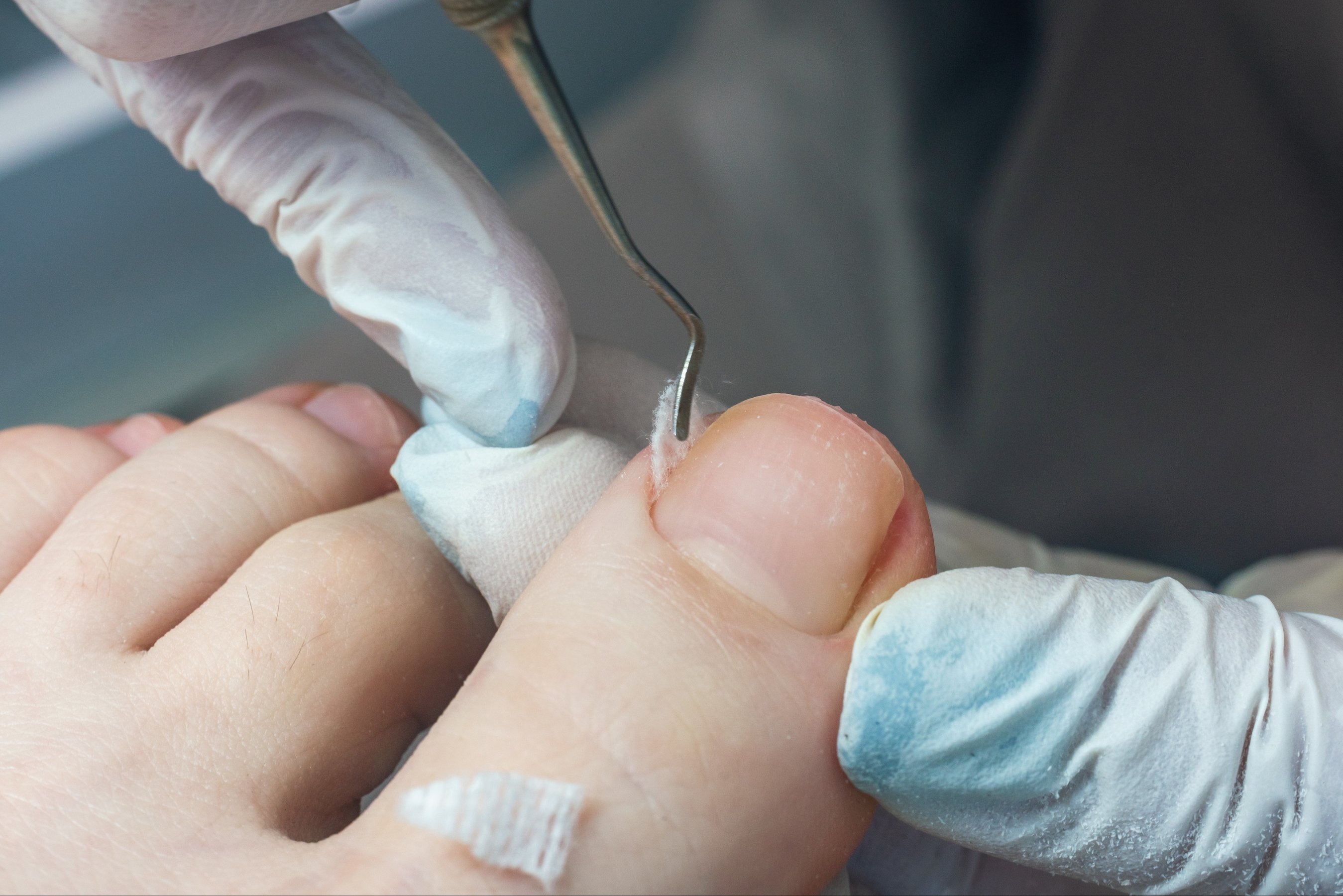
Key Takeaways
- Pain and Tenderness: The most common sign is pain along the side of the nail, especially when pressure is applied.
- Redness and Swelling: The skin around the ingrown nail may become red, swollen, and feel warm to the touch.
- Infection: Look for pus, fluid drainage, and increased pain, which are classic signs of an infection that needs medical attention.
- Overgrowing Skin: You might notice the skin on the side of the nail appears to be growing over the nail edge.
- Early Treatment is Key: At-home care like foot soaks can help in the early stages, but persistent symptoms require professional care to prevent complications.
- Expert Care in Georgia: For expert ankle & foot pain treatment in GA, schedule an appointment with Dr. Vivian Iwu at Choice Podiatry Center to get the relief you need.
Is Your Toe Pain an Ingrown Toenail?
An ingrown toenail, or onychocryptosis, occurs when the edge or corner of your toenail grows into the soft flesh beside it. While the big toe is most commonly affected, any toe can develop this painful condition. It might seem like a minor issue at first, but leaving it untreated can lead to serious infections and complications, especially for individuals with diabetes or poor circulation.
Understanding the early warning signs is crucial for preventing the problem from getting worse. Here are seven key indicators that Choice Podiatry Center wants you to watch for.
1. Pain and Tenderness
The first and most obvious sign of an ingrown toenail is pain. You'll likely feel a sharp, tender sensation along one or both sides of the affected toenail. The pain often intensifies when you wear shoes, especially those that are tight or narrow, as they press the skin against the penetrating nail. Even the light pressure from a sock or bedsheet can become uncomfortable.
2. Redness Around the Nail
As the nail begins to dig into your skin, your body's natural inflammatory response kicks in. This causes the area to become red and irritated. The redness is typically concentrated right where the nail is piercing the skin, creating a visible sign that something isn’t right. If you notice persistent redness, it's a clear signal to start paying closer attention to your toe.
3. Swelling of the Toe
Along with redness, swelling is another part of the body's inflammatory response. The tissue around the ingrown nail may become puffy and enlarged. This swelling can make your toe feel tight and sensitive, further contributing to the discomfort when wearing shoes or walking. The combination of redness and swelling is a strong indicator of an ingrown toenail.
4. Signs of Infection
If an ingrown toenail isn't addressed, the break in the skin can allow bacteria to enter, leading to an infection. Signs of infection include:
- Increased pain, throbbing, and warmth in the toe.
- Pus or yellowish fluid draining from the area.
- A foul odor is coming from the toe.
- An infected ingrown toenail requires immediate medical attention. Choice Podiatry Center can properly drain the infection and prescribe antibiotics if necessary to prevent it from spreading.
5. Overgrowing Skin
In some cases, you may notice that the skin on the side of the toenail appears to be growing over the nail itself. This is your body’s attempt to heal the wound created by the sharp nail edge, but it can trap the nail further and worsen the problem. This overgrowth of tissue, known as granulation tissue, is often soft, pinkish, and bleeds easily.
6. Feeling of Pressure Under the Nail
Sometimes, you might feel a constant sense of pressure under the nail plate, even without significant pain. This can be an early sign that the nail is beginning to curve downward and press into the nail bed. While less dramatic than other symptoms, this persistent pressure shouldn't be ignored.
7. Difficulty Walking
When the pain, swelling, and sensitivity become severe, you might find it difficult to walk normally. You may start to limp or alter your gait to avoid putting pressure on the affected toe. This change in how you walk can sometimes lead to secondary pain in your foot, ankle, or even your knee.
When to Seek Professional Help
While some minor ingrown toenails can be managed at home with warm-water soaks and proper nail trimming, many cases require professional intervention.
| At-Home Care | When to See a Podiatrist |
|---|---|
| Minor discomfort with slight redness | Signs of infection (pus, increased swelling) |
| No pus or significant swelling | You have diabetes or poor circulation |
| Symptoms are new and not severe | Pain is severe and affects your daily life |
| You are otherwise healthy | At-home treatments don't help after 2-3 days |
| The condition keeps coming back |
Individuals with diabetes, nerve damage, or poor circulation in their feet should see a podiatrist at the first sign of an ingrown toenail. For these patients, even a small foot injury can lead to serious complications, including severe infections and ulcers.
Get Relief From Ingrown Toenail Pain in Atlanta
Recognizing the signs of an ingrown toenail is the first step toward finding relief. Don't let toe pain disrupt your life or risk a serious infection. The experienced team at Choice Podiatry Center is here to provide a definitive diagnosis and effective treatment.
Schedule an appointment for expert ankle & foot pain treatment at Choice Podiatry Center today and let Dr. Iwu help you get back on your feet, pain-free.
Frequently Asked Questions
What causes an ingrown toenail?
The most common causes include cutting toenails too short or rounding the edges, wearing shoes that are too tight, injuring the toe, and having unusually curved toenails (a hereditary trait).
Can I remove an ingrown toenail myself?
Choice Podiatry Center strongly advises against attempting to remove an ingrown toenail yourself. This 'bathroom surgery' can easily lead to a more severe infection or cause further injury to the toe. It's always safest to have it treated by a professional.
How does a podiatrist treat an ingrown toenail?
Treatment depends on the severity. For a minor case, the podiatrist may simply lift the nail and place a splint underneath it. For more severe or infected cases, the doctor may need to numb the toe and remove the ingrown portion of the nail. For recurring issues, a small part of the nail matrix (the nail's growth center) may be removed to prevent that section from growing back.
How can I prevent ingrown toenails?
To prevent ingrown toenails, trim your nails straight across, ensuring the corners are not rounded. Wear shoes that fit properly and give your toes plenty of room. If you have a condition like diabetes, regular check-ups with a podiatrist are essential for preventive care.
