Key Takeaways
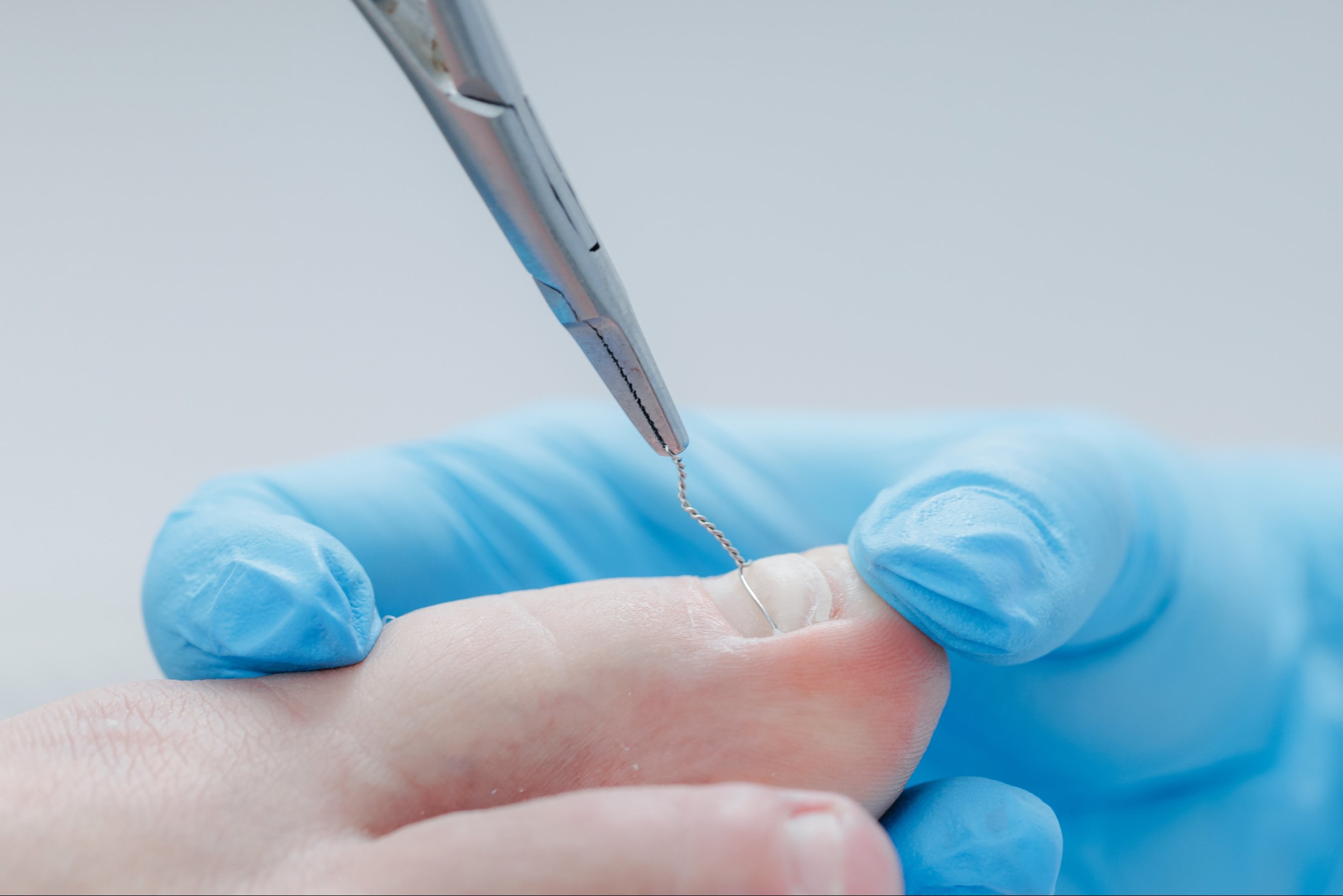
- Lifting the Nail: A podiatrist can gently lift the ingrown nail edge away from the skin, providing immediate relief and encouraging it to grow correctly.
- Partial Nail Removal: For more severe or recurring cases, your doctor can remove the portion of the nail that is digging into the skin.
- Total Nail Removal: In persistent cases where other treatments fail, your podiatrist might recommend removing the entire toenail.
- Antibiotics: If your ingrown toenail becomes infected, a podiatrist can prescribe oral or topical antibiotics to clear the infection and prevent complications.
- Expert Care:Choice Podiatry Center offers comprehensive podiatry services in Georgia to effectively treat ingrown toenails and provide lasting relief. Schedule your appointment today.
Professional Treatments for Ingrown Toenails
An ingrown toenail might seem like a minor annoyance at first, but it can quickly become a painful and persistent problem. While home remedies can sometimes offer temporary relief, they often fail to address the underlying cause. When an ingrown toenail becomes too painful, gets infected, or keeps coming back, it’s time to see a professional.
A podiatrist, or foot and ankle specialist, has the expertise and tools to treat ingrown toenails safely and effectively. At Choice Podiatry Center, our specialists can diagnose the severity of your condition and recommend a treatment plan tailored to your needs. Ignoring the problem can lead to serious infections and complications, especially for individuals with diabetes or poor circulation. Seeking timely medical care is the best way to ensure a quick and healthy recovery.
5 Ways a Podiatrist Can Treat Your Ingrown Toenail
If you're dealing with a painful ingrown toenail, a visit to the podiatrist can provide the relief you need. Here are five common and effective treatments that Choice Podiatry Center offers.
1. Lifting the Nail
For a mildly ingrown toenail, your podiatrist may recommend a simple yet effective technique: lifting the nail. This involves carefully raising the edge of the toenail that is growing into the skin and placing a small piece of cotton, dental floss, or a splint underneath it.
This process separates the nail from the overlying skin, helping it to grow above the skin edge instead of into it. You will be instructed to replace the material daily and soak your foot. This method relieves pressure and pain, guiding the nail to grow out properly and preventing it from becoming more embedded in the skin.
2. Partially Removing the Nail
When an ingrown toenail is more severe—causing significant pain, redness, and swelling—a partial nail avulsion may be necessary. This is a common in-office procedure performed under local anesthesia to ensure you remain comfortable.
Your podiatrist will numb your toe and then carefully cut away and remove the portion of the nail that is digging into the skin. This immediately relieves the pressure and allows the inflamed tissue to heal. If you suffer from recurring ingrown toenails, your doctor might also apply a chemical, like phenol, to the nail matrix (the area from which the nail grows). This prevents that specific section of the nail from growing back, offering a permanent solution to the problem.
3. Completely Removing the Nail
In cases of a severe or recurring ingrown toenail, particularly if there is a significant infection or thickening of the nail due to a fungal infection, your podiatrist might suggest a complete nail avulsion. This involves removing the entire toenail.
Like a partial removal, this procedure is done under local anesthetic. Your doctor will remove the whole nail plate from the nail bed. A new nail will eventually grow back in its place, which can take up to 18 months. During the healing process, it's crucial to follow your podiatrist's care instructions to prevent infection and ensure the new nail grows in correctly. This treatment is generally reserved for chronic cases where other methods have been unsuccessful.
4. Prescribing Antibiotics for Infection
Ingrown toenails create a break in the skin, making them susceptible to bacterial infections. Signs of an infection include increased pain, swelling, pus drainage, and redness that spreads. If your podiatrist diagnoses an infection, they will likely prescribe medication to treat it.
Depending on the severity, this may include:
| Type of Medication | Description |
|---|---|
| Topical Antibiotics | An antibiotic cream or ointment is applied directly to the affected area to fight the infection at its source. |
| Oral Antibiotics | For more serious or spreading infections, your doctor may prescribe antibiotic pills to fight the infection systemically. |
Treating the infection is a critical first step, as it reduces inflammation and pain, making it easier and safer to address the underlying cause of the ingrown toenail.
5. Providing Guidance on Prevention
One of the most valuable services a podiatrist offers is education on preventing future ingrown toenails. After treating the immediate issue, your doctor at Choice Podiatry Center will provide personalized advice.
This may include:
- Proper Nail Trimming: Learning to cut your toenails straight across, not curved, can prevent the edges from growing into the skin.
- Appropriate Footwear: Your podiatrist can recommend shoes that provide enough room for your toes to avoid pressure on the nails.
- Foot Hygiene: Keeping your feet clean and dry helps prevent infections that can complicate ingrown toenails.
By addressing your habits and footwear, your podiatrist helps you break the cycle of recurring ingrown toenails.
Get Lasting Relief From Ingrown Toenails Today
Don’t let a painful ingrown toenail disrupt your life. Seeking professional care ensures you get effective treatment and lasting relief. Choice Podiatry Center offers comprehensive podiatry services to resolve your current discomfort and prevent future issues.
Schedule an appointment today to get the expert care you deserve.
Frequently Asked Questions
Can a podiatrist fix an ingrown toenail in one visit?
Yes, in many cases, a podiatrist can provide significant relief or even completely resolve an ingrown toenail in a single visit. Procedures like nail lifting or a partial nail removal are performed in-office and offer immediate relief from pain and pressure.
How painful is ingrown toenail removal?
Podiatrists use a local anesthetic to completely numb the toe before performing a partial or complete nail removal. While you may feel a small pinch from the injection, you should not feel any pain during the procedure itself. There may be some mild soreness afterward, but it is typically manageable with over-the-counter pain relievers.
Is it better to see a podiatrist or a doctor for an ingrown toenail?
While a general practitioner can handle minor cases, a podiatrist is a specialist in foot and ankle conditions. They are better equipped to handle severe, infected, or recurring ingrown toenails and can perform specialized procedures to provide a permanent solution.
What can I expect after ingrown toenail surgery?
After the procedure, your podiatrist will bandage the toe, and you’ll receive instructions for at-home care. This usually involves soaking the foot, applying an antibiotic ointment, and keeping it clean. Most people can return to normal activities within a day or two, though you may need to wear open-toed shoes for a short time.
